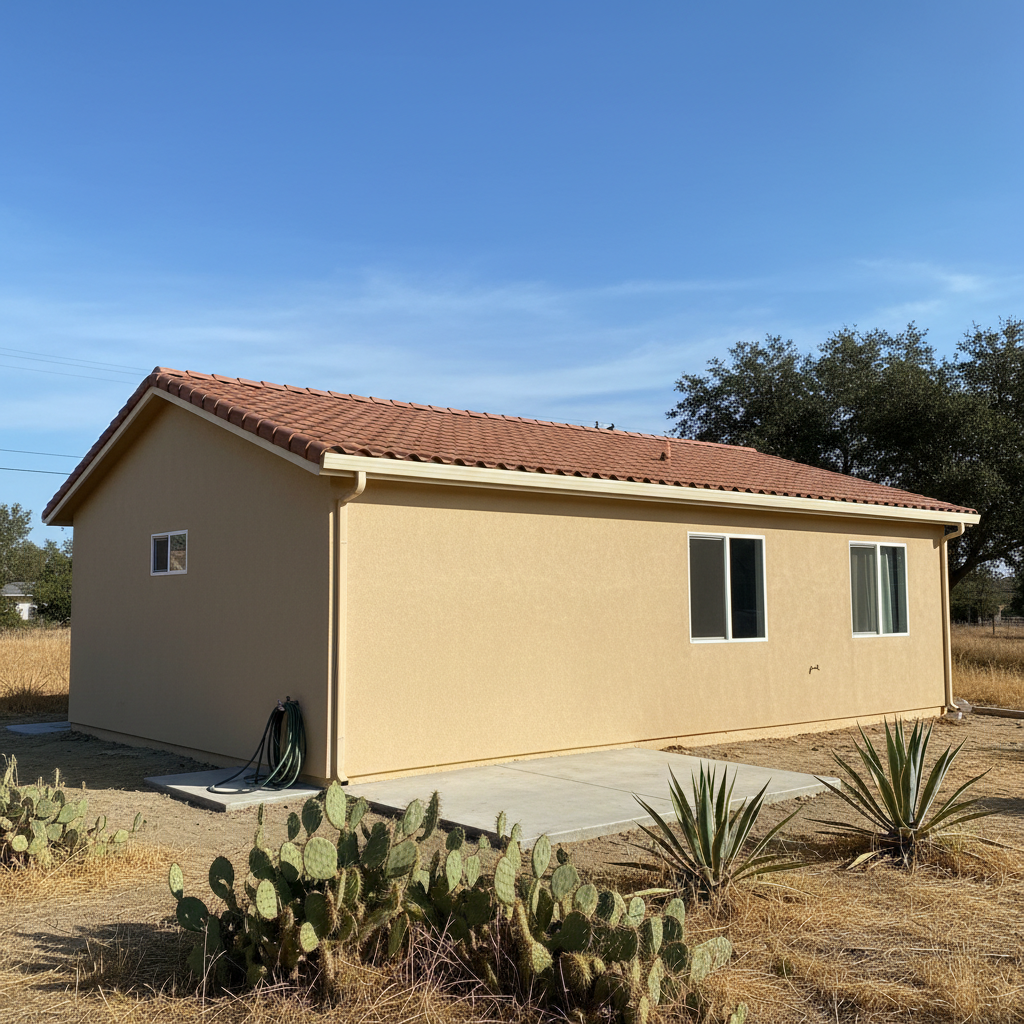
Alright, let's talk EIFS and what it's gonna cost you here in Soledad. I get a lot of calls asking for a quick number, and while I can't give you one without seeing the job, I can definitely tell you what goes into that final price tag. It's not just about the square footage, believe me.
What Makes EIFS Prices Go Up or Down?
There are a few big things that really swing the cost of an EIFS installation. You gotta consider these when you're budgeting:
- The Type of EIFS System: Not all EIFS is created equal. There are different types, like barrier systems or drainage systems. Drainage systems, which are designed to let any moisture that gets behind the EIFS escape, are generally more expensive but offer better long-term protection, especially with our occasional heavy rains here in the Salinas Valley. They're a smart investment.
- Condition of the Existing Wall: If your old walls are a mess – rotting wood, uneven surfaces, or major damage – we'll have to do a lot more prep work. That's extra labor and materials before we even start with the EIFS, and it adds to the cost.
- Architectural Complexity: A flat, square wall is way easier and faster to install EIFS on than a wall with lots of bump-outs, arches, corners, or intricate details. Every jog and curve means more cutting, more flashing, and more careful handiwork, which takes more time.
- Accessibility: Can we get our equipment and materials to the work area easily? If we need special scaffolding for a two-story home or have to work around tight landscaping, that's going to factor into the labor cost.
- Material Quality & Finish: You've got choices in the finish coat – different textures, colors, and even specialized coatings for extra durability or mildew resistance. Higher-end finishes will naturally cost more.
- The Contractor You Choose: This is a big one. You'll find a range of prices out there. The cheapest guy might cut corners, and that'll cost you more in repairs down the road. A reputable contractor like Charis Stucco, who's licensed, insured, and has a good track record, will charge a fair price for quality work.
So, What's a Realistic Price Range?
Okay, let's get down to some numbers. For a typical residential EIFS installation here in Soledad, you're generally looking at a range of about $10 to $20 per square foot. Now, that's a wide range, I know, but it covers a lot of ground.
For a basic, straightforward job on a single-story home with good wall conditions and a standard finish, you might be closer to that $10-$14/sq ft mark. If you've got a two-story house, complex architectural features, need a drainage system, or want a premium finish, you're going to be in the $15-$20+/sq ft range. For a medium-sized home around 1,500-2,000 square feet of exterior wall space, you could be looking at anywhere from $15,000 to $40,000 or more, depending heavily on those factors I just mentioned.
Remember, this is just for the EIFS itself. If there's extensive structural repair needed before we even start, that's usually a separate line item.
What Should Be in Your EIFS Quote?
When I give you a quote, or any good contractor should, it's going to be detailed. Don't accept a one-line estimate. Here's what you should expect to see:
- Material Costs: This covers the insulation boards, mesh, base coat, primer, and the finish coat.
- Labor Costs: The crew's time for prep, installation, and cleanup.
- Permits: Yes, you'll need one for EIFS. We'll usually handle pulling it, but the cost is passed on.
- Scaffolding/Equipment Rental: If needed for higher walls.
- Flashing & Sealants: Crucial for keeping water out, especially around windows and doors.
- Waste Disposal: Hauling away old materials and construction debris.
- Warranty Information: What's covered and for how long.
How to Avoid Overpaying for EIFS
Nobody wants to get ripped off, right? Here's my advice:
- Get Multiple Quotes: Don't just go with the first guy. Get at least three detailed bids from different contractors. This helps you compare apples to apples.
- Check References & Licenses: Always, always, always check their CSLB license (ours is 1084227, by the way) and ask for references. Call those references! See their past work.
- Understand the Scope: Make sure every quote clearly outlines what's included and what's not. If one quote is significantly lower, find out why. They might be leaving something important out.
- Don't Pay in Full Upfront: A reputable contractor will ask for a reasonable down payment (usually 10-30%), then progress payments as work is completed. Never pay the full amount before the job is done and you're satisfied.
- Ask About Warranties: A good EIFS system should come with a manufacturer's warranty on the materials and a contractor's warranty on the labor. Make sure you understand what's covered.
EIFS is a fantastic system for insulation and curb appeal, especially with our temperature swings here where it can be cool in the morning and then heat up fast by afternoon. It's a big investment, but done right, it'll last for decades and save you money on energy bills. Just do your homework, and you'll be happy with the results.