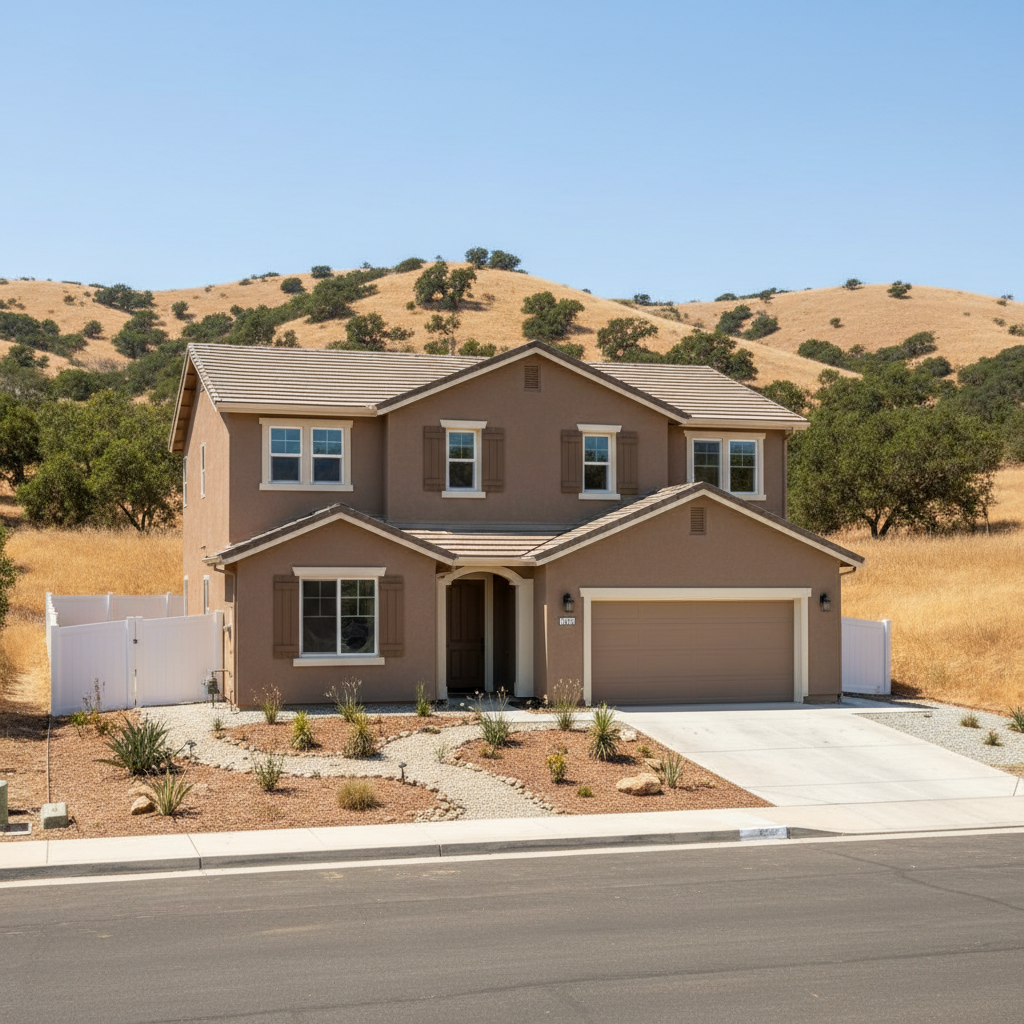
Alright, you're thinking about EIFS for your home here in Soledad. That's a smart move for a lot of reasons, especially with our Central Coast weather – good insulation, less cracking than traditional stucco sometimes, and a clean look. But before you jump in, you need a game plan. Let's talk about what's involved so you're not caught off guard.
What to Expect: The EIFS Installation Process
First off, EIFS isn't just slapping some stuff on your wall. It's a system, and it's got layers. Here's the basic rundown of what we'll be doing:
- Sheathing Inspection & Prep: We start by making sure your wall sheathing is solid and ready. Any repairs needed, we'll talk about them first.
- Water Resistive Barrier (WRB): This is crucial, especially in a place like Soledad where we get those heavy winter rains. We apply a barrier that sheds water, protecting your home's structure. Think of it as a raincoat for your house.
- Drainage Mat (Optional but Recommended): For even better moisture management, we often install a drainage mat over the WRB. This creates a tiny air gap that lets any water that gets past the outer layers drain away harmlessly. It's extra peace of mind.
- Insulation Board Installation: This is the 'I' in EIFS – the insulation. We'll attach rigid insulation boards to your wall. This is where you get those energy savings.
- Base Coat & Reinforcing Mesh: Next, we apply a base coat over the insulation boards, embedding a fiberglass mesh into it. This mesh is what gives EIFS its strength and helps prevent cracking.
- Primer (Optional but Good Practice): A primer coat helps ensure good adhesion for the finish coat and can even out the surface.
- Finish Coat: This is the top layer, the one you see. It comes in all sorts of colors and textures. This is where your home gets its curb appeal.
Each step is important, and rushing any of them can cause problems down the road. We take our time to do it right.
Timeline: How Long Will This Take?
The timeline for an EIFS project really depends on the size of your house and the complexity of the job. A smaller home might take 2-3 weeks, while a larger, more intricate project could easily run 4-6 weeks or even longer. Here's what influences that:
- House Size: Bigger house, more surface area, more time. Simple as that.
- Weather: This is a big one, especially here. We can't apply EIFS in heavy rain, and extreme heat or cold can affect curing times. So, if we get a week of those strong winter storms rolling in from the Pacific, things will pause.
- Complexity: Lots of architectural details, curves, windows, and doors all add time. Each one needs careful flashing and detailing.
- Crew Size: A bigger, more efficient crew can sometimes speed things up, but quality always comes first.
When I give you an estimate, I'll give you a realistic timeline. We build in a little buffer for those unexpected Soledad weather shifts or material deliveries, just to be safe.
How to Prepare Your Home for EIFS
You can help make the process smoother. Here's what I recommend:
- Clear the Perimeter: Move any outdoor furniture, planters, grills, or anything else away from your house. We'll need clear access all around.
- Trim Landscaping: If you have bushes or trees right up against your house, trim them back. We need space to work without damaging your plants or our equipment.
- Protect Valuables: If you have anything delicate or valuable near the work area, inside or out, secure it or move it. We'll be careful, but it's a construction site.
- Manage Pets & Kids: Keep pets and children away from the work zone for their safety. There will be tools, materials, and ladders.
- Discuss Access: We'll need access to electricity and sometimes water. Let's talk about the best way to set that up.
- Parking: We'll have trucks and trailers. Figure out where we can park without blocking your driveway or inconveniencing neighbors too much.
Communication is key. If you have questions about preparation, just ask Charis Stucco. That's what we're here for.
Questions to Ask Before You Sign That Contract
Don't just sign on the dotted line without asking some tough questions. You're investing a lot, so you need to feel good about who you're hiring:
- Are you licensed and insured for EIFS work in California? Make sure they have both liability insurance and workers' comp. Ask for proof.
- Can you provide references from other EIFS projects? Talk to other homeowners they've worked for.
- What specific EIFS manufacturer's system are you using? There are different brands (Dryvit, Sto, Senergy, etc.). Good contractors usually stick with one or two they know well.
- What kind of warranty do you offer on your workmanship, and what about the manufacturer's warranty on the materials? You want both.
- How do you handle unexpected issues or change orders? Things can pop up once we start tearing into walls. You need to know how that's communicated and priced.
- What's your plan for site cleanup? You don't want to be living in a construction zone for weeks after we're done.
- Who will be my main point of contact during the project? You need one person you can call with questions.
- What's the payment schedule? A reputable contractor won't ask for 100% upfront. There should be a reasonable deposit and progress payments.
Asking these questions upfront saves headaches later. You want a contractor who's transparent and confident in their work. That's how we operate here at Charis Stucco. We want you to be thrilled with your new EIFS, and that starts with a clear understanding of the whole process.