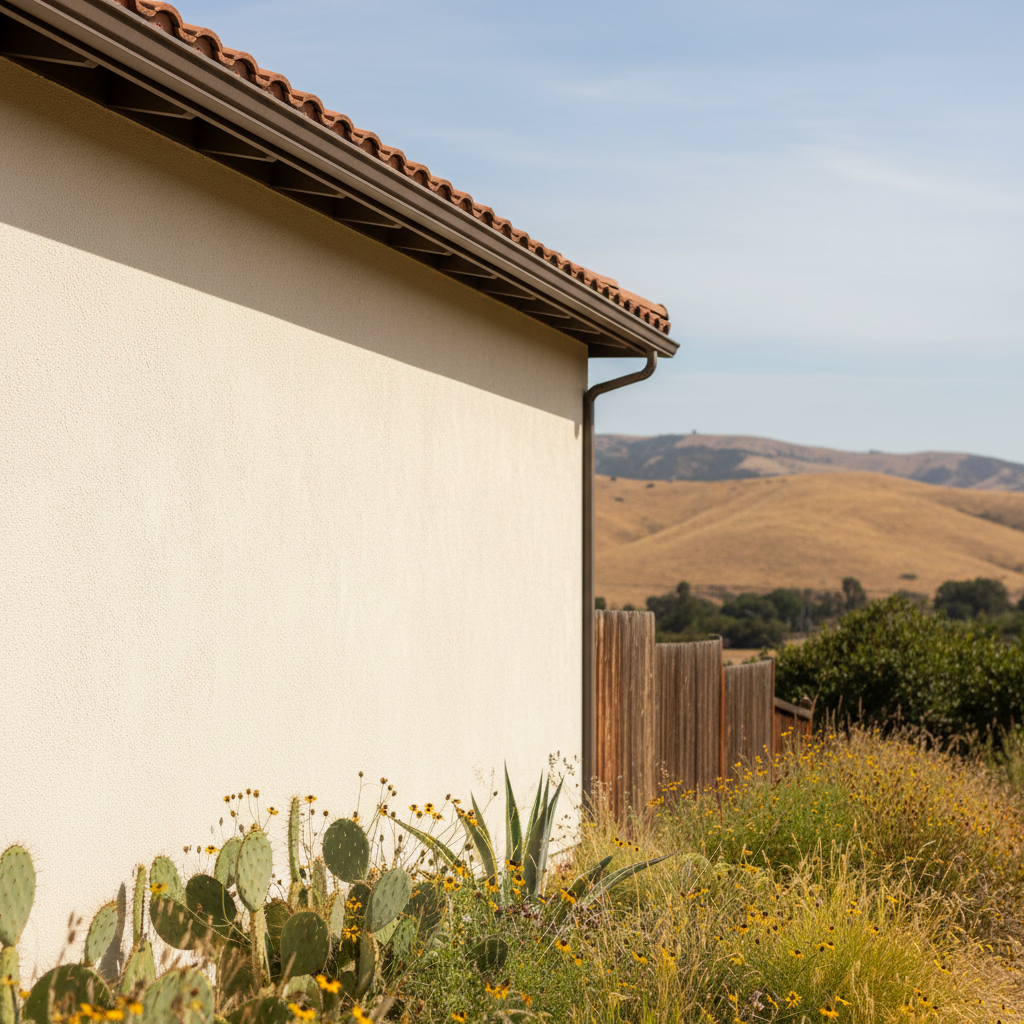
Alright, let's talk stucco. If you've got it on your home here in Soledad, you probably want it to last. That's smart. A good stucco job, when you take care of it, should protect your home and look great for decades. But "taking care of it" is the crucial part, especially with our unique weather patterns around here — those hot, dry summers followed by cool, damp winters really put building materials through their paces.
Making Your Stucco Last Longer
Think of your stucco as your house's skin. You wouldn't neglect your own skin, right? Same idea here. The single biggest thing you can do to extend its life is pretty simple: keep it clean and keep it dry. Sounds basic, sure, but that's where most problems actually begin.
- Keep it Clean: Dust, dirt, pollen, even spiderwebs — they all pile up. Over time, this grime can hold moisture right against the surface, or even worse, become a perfect spot for mold and mildew to grow. A gentle wash with a garden hose and a soft brush once a year, maybe twice if you live near a dusty road or have lots of trees, works wonders. Just steer clear of high-pressure washers; they can damage the finish and even force water into places it absolutely shouldn't be.
- Manage Water: This is a big one. Make sure your gutters are clean and draining properly, pushing water away from your foundation. Check your sprinkler heads, too; are they spraying directly onto your stucco walls every single day? That constant wetting and drying cycle is a real killer. Adjust them or put up deflector shields. Also, think about your landscaping. Bushes and trees growing right up against the house can trap moisture and stop air from circulating. Trim them back, give your stucco some breathing room.
- Sealants and Paint: If your stucco is painted, a good quality exterior paint adds an extra layer of protection. It's not just for looks, you know. If it's unpainted, a breathable, clear sealant can help repel water without trapping moisture inside. This is something you'd typically do every 5 to 10 years, depending on the product and how much sun and rain it gets.
Regular Maintenance: What to Keep an Eye Out For
You don't need to be a stucco expert to spot potential issues. Just take a walk around your house every few months, especially after a heavy rain or a long dry spell. What should you be looking for?
- Cracks: Small hairline cracks are often just on the surface and happen naturally as stucco cures and expands or contracts. They're usually no big deal. But if you see cracks wider than a credit card, or if they're running horizontally or in a stair-step pattern, those could point to structural problems and need attention. Pay extra close attention around windows, doors, and where different building materials meet.
- Discoloration or Staining: Dark streaks, green patches, or that white powdery residue (called efflorescence) are all warning signs. Dark streaks usually mean water is consistently running down that spot. Green or black patches are mold or mildew, which screams "persistent moisture." Efflorescence is mineral salts leaching out, which also tells you water is getting in somewhere.
- Bulging or Soft Spots: Press gently on the stucco in different areas. Does it feel soft or spongy? Do you notice any spots that look like they're bulging out? This is a major red flag for water trapped behind the stucco, possibly rotting the sheathing underneath.
- Pest Activity: Termites, carpenter ants, even birds can damage stucco, either directly or by creating openings for water. Keep an eye out for holes or tunnels.
Here in Soledad, with our older homes often featuring traditional three-coat stucco, you'll sometimes see minor cracking from settling or temperature swings. It's usually manageable, but really, don't ignore it.
When to Call a Pro
Look, I'm a contractor, and I'm all for homeowners doing what they can. But there are times when you really need to bring in someone who knows stucco inside and out. Don't wait until a small problem turns into a huge, expensive headache.
- Widespread Cracking: If you've got cracks all over the place, or if they're big and getting bigger, that's way beyond a DIY patch job. You need to find the root cause, which could be structural movement.
- Significant Water Stains or Mold: If you're seeing large areas of discoloration, especially if it keeps coming back after you've cleaned it, there's probably a persistent water intrusion issue that needs a professional diagnosis.
- Bulging or Soft Stucco: This is a definite "call a pro" situation. It means water has gotten behind the stucco, and you could have wood rot or other serious damage. Ignoring this will only make things worse.
- Stucco Separating from the Wall: If you can see the stucco pulling away from the underlying wall, or if you hear a hollow sound when you tap on large areas, that's a structural integrity issue.
- After a Major Event: If you've had a significant earthquake (even a small one can cause stress cracks), or a plumbing leak inside a wall that affected the exterior, get it checked out.
At Charis Stucco, we've seen it all. From minor touch-ups to full-on remediation of water damage that's been festering for years. My advice? Don't guess. If you're unsure about something you're seeing on your stucco, or if you're just worried about its overall condition, just give us a call. We can come out, take a look, and give you an honest assessment. It's always better to catch these things early, wouldn't you say?