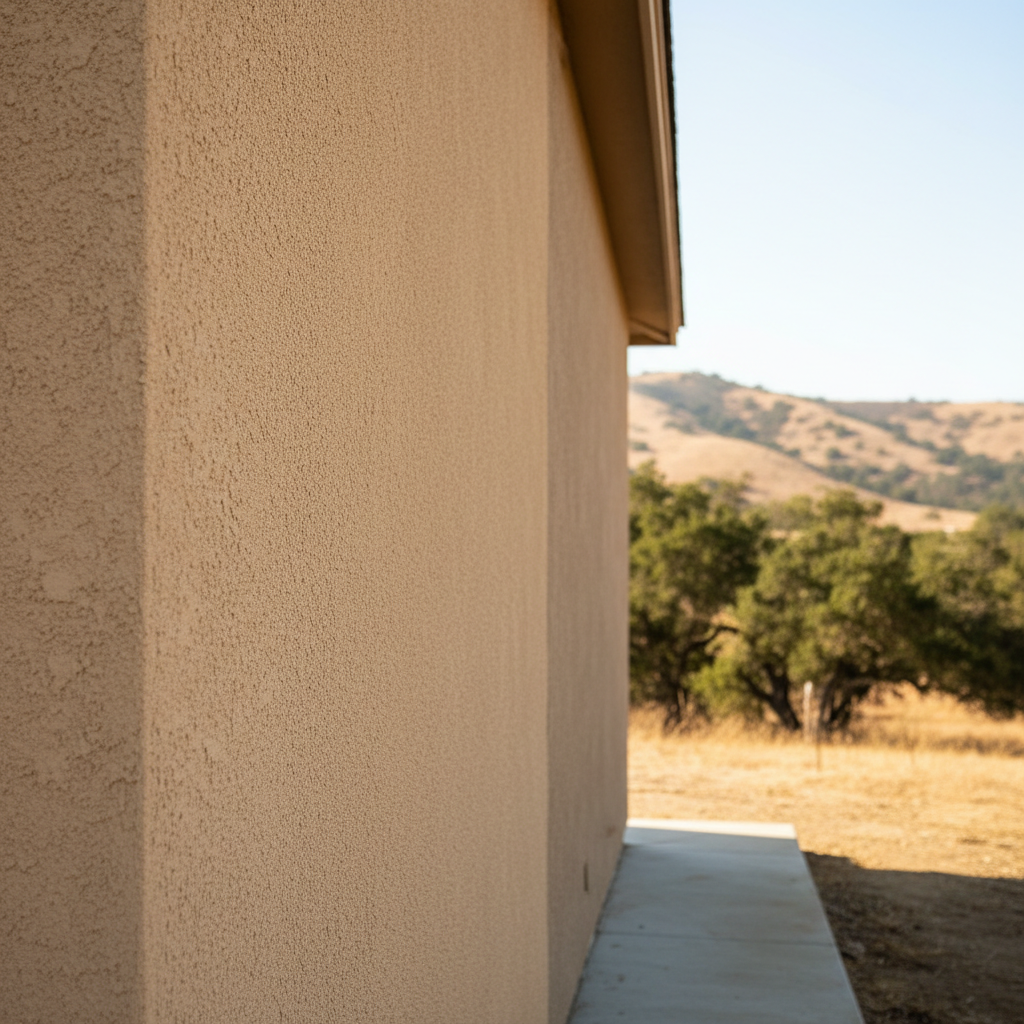
Why would someone even want to remove stucco in the first place?
That's a fair question, and honestly, I see a few main reasons folks around Soledad decide to get rid of their stucco. Sometimes, it's purely about looks. Maybe the stucco just feels old, dated, or it doesn't match the style they're going for anymore. They might want to uncover original siding underneath, like redwood or cedar, or they're planning a completely new exterior finish, perhaps brick or some modern siding panels. Other times, it's about how the stucco is actually performing. If the system wasn't put in right to begin with, or if it's taken a real beating over the years, leading to widespread cracking, delamination, or water problems that are just too big to fix affordably, then removal becomes the smartest choice. You know, a lot of homes built in the 70s and 80s around here, especially in those newer developments on the west side of town, often have stucco that's just reached the end of its useful life.
What are the biggest risks or challenges when removing stucco?
Look, taking off stucco isn't some simple weekend DIY project, and there are definitely risks if you don't know what you're doing. The biggest one? Damaging what's underneath. You're basically chipping away a hard, brittle material that's often stuck right to your sheathing. If you're not careful, you could gouge the sheathing, mess up the framing, or even hit electrical wires or plumbing lines running just behind the wall. Another big challenge is dealing with things like lead paint or asbestos. Older stucco, or the paint on it, might have these hazardous materials. You absolutely have to test for them before you start any demolition. If they're there, you're looking at specialized removal procedures and higher costs to keep everyone safe and follow the rules. Then there's the mess — it's amazing how much dust and debris stucco removal creates. You really have to protect your landscaping, windows, and anything else nearby.
How long does stucco removal typically take for an average-sized house?
This really depends on your house's size, the kind of stucco it has, and the crew doing the work. For a typical 1,500 to 2,000 square foot single-story home in Soledad, you're probably looking at anywhere from 3 to 7 days just for the actual removal. That's only the stucco coming off, mind you. If it's a two-story house, or if the stucco is extra thick or has multiple layers, it could take longer. Access also plays a role; if we need scaffolding or special gear for hard-to-reach spots, that adds time. And remember, that doesn't include the time for prep work, hauling away all the debris, or any necessary repairs to the sheathing or framing once the stucco is gone. It's a multi-step process, and you definitely don't want to rush it.
What kind of mess and cleanup should I expect during and after the removal?
Oh, expect a big mess. Stucco removal is inherently dusty and creates a ton of debris. We're talking about piles of broken plaster, dust, and maybe old lath or wire mesh. It gets everywhere if you don't contain it properly. A good contractor, like Charis Stucco, will put up tarps, plastic sheeting, and use dust suppression techniques to keep it from spreading too much. We'll protect your windows, doors, and landscaping as much as we can. After the stucco is off, there's a huge cleanup job. All that debris needs to be hauled away, usually in a big dumpster. You'll still find some lingering dust for a while, even with our best efforts. It's just the nature of the beast. We always make sure to leave the site as clean as possible, but be ready for some post-project dusting on your end too.
Will removing stucco damage my home's structural integrity or weatherproofing?
If it's done wrong, yes, absolutely. That's why hiring experienced professionals is so important. Stucco itself isn't usually a structural part of your home, but it does help keep the building envelope sealed. When you take it off, you're exposing the sheathing and framing underneath to the weather. If that sheathing gets damaged during removal, or if it's left exposed for too long, you're inviting water, rot, and potential structural issues. A good removal process involves careful demolition to protect the sheathing, and then immediately putting up a weather-resistant barrier (WRB) if you're not putting new siding on right away. You can't just rip it off and leave your house naked, especially with our occasional heavy winter rains here in the Salinas Valley. You need a plan for what comes next, and a way to keep your home sealed up in the meantime.
What's typically found underneath old stucco?
Most of the time, underneath the stucco, you'll find a few layers. First, there's usually a lath system — either metal mesh (like expanded metal lath or woven wire lath) or sometimes wood lath on really old homes. This lath gives the stucco something to grab onto. Beneath that, you'll find building paper or a weather-resistant barrier, which is supposed to protect your sheathing from moisture. And then, finally, you get to the sheathing itself, which is often plywood, OSB, or sometimes even planks of wood on older construction. Occasionally, especially on homes that had stucco applied over existing siding, you might find original wood siding, like redwood or cedar, underneath. That's always a nice surprise for homeowners who want to restore that look. But more often than not, it's just the sheathing, which needs to be prepped for whatever new exterior finish you're putting on.
How much does stucco removal cost?
This is probably the most common question I get, and it's also the hardest to give a single number for because there are so many variables. Generally, you're looking at anywhere from $3 to $7 per square foot of wall surface for the stucco removal itself. That price can go up if there are multiple layers of stucco, if access is tricky, or if hazardous materials like lead or asbestos are present, requiring specialized handling. This cost typically covers the labor for removal, hauling away debris, and basic site cleanup. It does NOT include any repairs to the sheathing or framing underneath, which are often necessary, nor does it include the cost of installing your new siding or exterior finish. So, when you're budgeting, make sure you're thinking about the whole project, not just getting the old stuff off. Get a detailed quote, and make sure it spells out exactly what's included. Don't be afraid to ask questions; it's your home and your money, after all.